All Categories
Featured


Reshaping Middle East Industrial Diversification for Growth
Table of Contents
With globalization in retreat, regional blocks and brand-new guidelines in trade, security and currencies emerge, making it essential to invest with strength and geographical/strategic diversification. We get in a more relentless inflationary regime due to structural aspects and public deficit, so inflation ends up being a central axis to protect long-term genuine returns.
2026 needs. however with much shorter maturities, must provide attractive returns with workable threat. Neutral on sovereign financial obligation from emerging markets and.: AI continues to be an essential chauffeur (greater diversity a good idea). We continue to choose Asia, with amongst our primary convictions.: pressure persists on oil and gas rates, benefiting Europe.
European currencies could extend their gains, with the remaining as a. The moderately as the effects of President Trump's trade program dissipate and the boom that implies financial investment in AI.: Japan consolidates exit from deflation with reforms and more nominal development; China continues to be weighed down by real estate/consumption in the brief term, however with a structural engine in AI and technology.: neutral position in industrialized stock due to balance between AI benefits and valuations/tariffs.
Evaluating Market Growth Potentials in GCC Economies
The main dangers are a possible bubble/disappointment in AI returns, political sound in the US and geopolitical hotspots (Russia-Ukraine and others).: retail entry continues in personal and AI continues to penetrate portfolios. Rotation and IPOs enhance but look out for tension in endeavor capital/direct financing, while hedge funds can catch alpha in volatility.
Analysing the 2026 Middle East Economic ForecastThe ECB would adopt a more careful stance, balancing German fiscal stimulus and risks on work and consumption. The: spreads remain extremely tight, however backed by high business revenues, high margins and low default rates. The environment prefers: returns are expected to be lined up with existing yield levels, primarily supported by the carry.
In the US, a is preferred, combining short period with exposure in the 710 year range. In investment grade, danger premium compression prefers a rotation from subordinated to senior financial obligation. If there is a bubble, it is not in the innovation itself, however in the appraisals of a particular group of business.
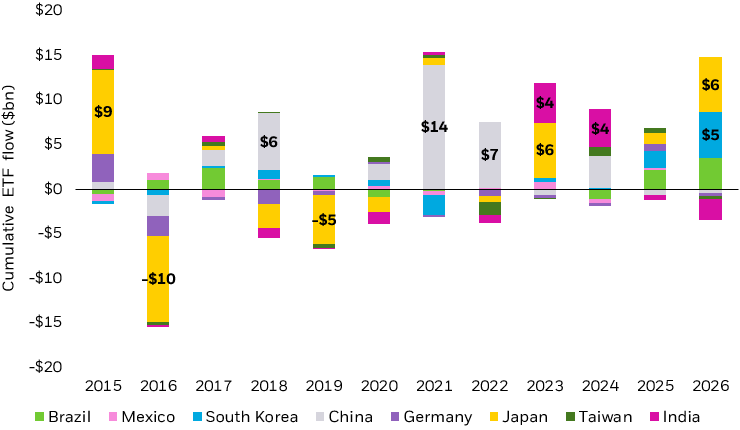
Emerging market debt, backed by lower debt levels, strong fundamentals and less dollar reliance, uses attractive alternatives to developed market assets.: they are not a passing fad. Their development is driven by sustaining structural elements. The recovery is underway and innovation will speed up accessibility.: stands apart for better risk-adjusted efficiency and better credit quality compared to the United States.
After the last Fed rate cut, it is a mystery to know the level to which rates will drop in 2026.2026 will be beneficial for equities, and in fixed income it will be necessary to diversify and be selective., due to stimuli and accommodative financial policy. Among them, he sees more potential in Japan and emerging markets due to valuations.
Reshaping Middle East Sectoral Diversification for Growth
The of the year that will have the most affect on the markets will be Donald Trump, tariffs, central banks, AI, and geopolitics.: in the US, two-speed growth is expected to persist in 2026, staying below its 2% capacity. In the Eurozone, the financial healing is getting momentum, driven in specific by investment strategies in Germany.
In the United States, the prospects for long-lasting rates of interest remain more unsure. Current basics support credit, which will be a preferred bond property for the next year. This pattern still depends on the ability of companies to satisfy expectations. In our base hypothesis, we foresee a that would be a repetition of the 2017 conditions.
There is a threat of a drop for the.: sustainability themes develop and concentrate on adjusting to. In the medium term, there is concern about the increase in public financial obligation levels and the possibility of speeding up inflation. There is a perceived.There is possible in the and great potential customers for.: offers better dynamics and greater real returns than the debt of developed markets.: can be considered a crucial area where cyclical and structural forces line up to develop opportunities.
Evaluating Market Growth Potentials in GCC Nations
remains a vital possession in any allowance due to its capability to create return, bring and capitalization. Specifically, in the field, our company believe that the basics of companies stay solid. We continue to bank on building portfolios around high yield companies with sensible debt levels and returns.Selection of instruments with lower ratings, especially CCC.: the basics of the European banking sector remain strong.

Within the banking sector, it generally focuses on.Very mindful to the possible contagion of to fixed income markets.: chances specifically in, sectors that present attractive evaluations and will benefit as soon as the existing market distortions stabilize; as well as in. continues to be another appealing investment theme.

Latest Posts

Analyzing Regional Market Potential in 2026

Essential Financial Trends Across the GCC
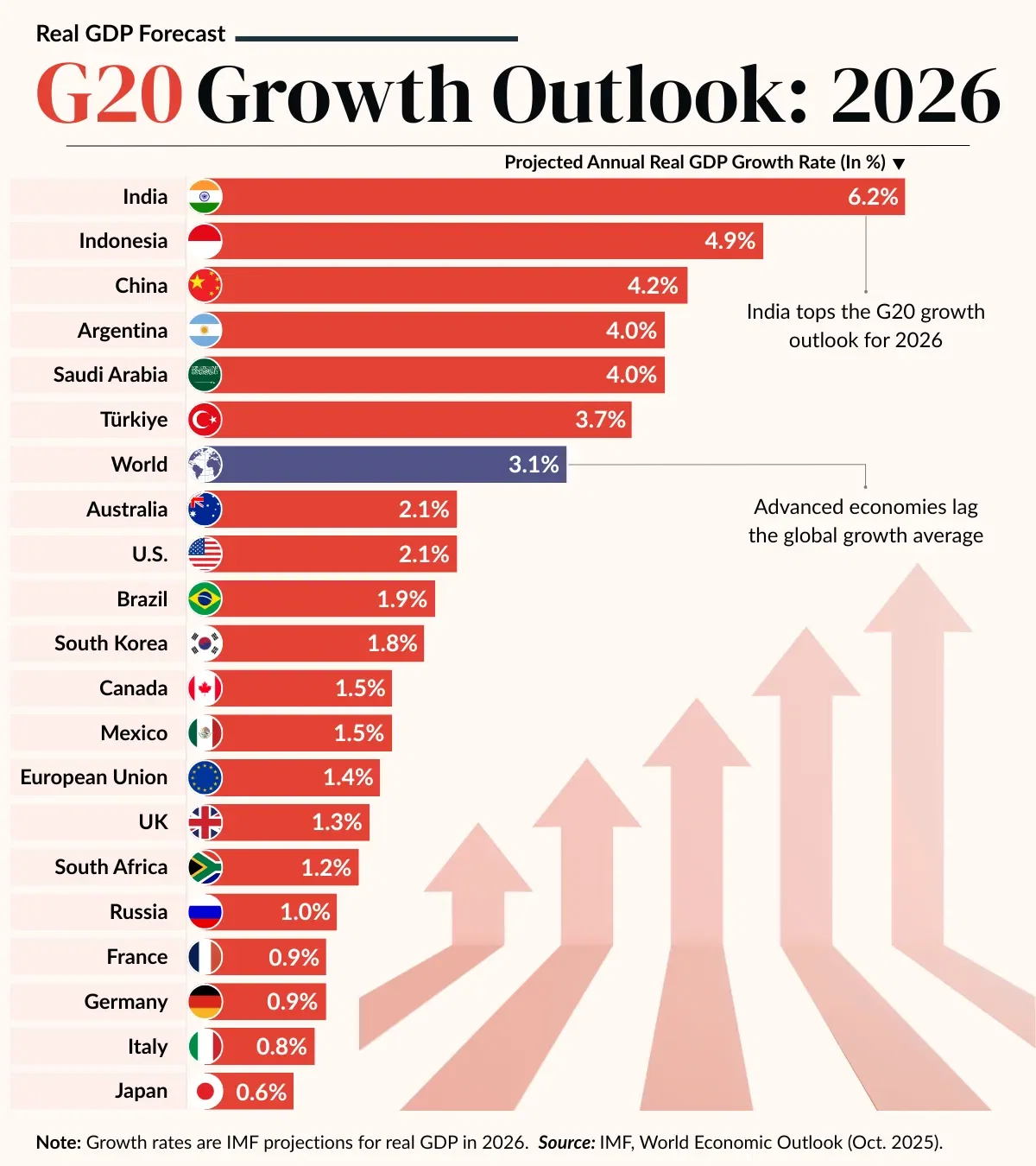
Assessing GCC Investment Resilience for 2026